Conveyors in Streamlining Manufacturing and Production Lines
In the powerful landscape of manufacturing and production, advancing effectiveness and efficiency is principal for progress. Modern transport arrangements are the main thrust behind current production lines, working with a consistent material stream, lessening difficult work, and guaranteeing smoothed-out activities. From weighty businesses like cars and gadgets to food handling and bundling, conveyors assume an urgent part in streamlining manufacturing processes. This complete page of content investigates the imperative job of conveyors in manufacturing and production lines, looking at their sorts, applications, benefits, key parts, and the extraordinary effect they have on reforming production cycles and driving business achievement.
The Job of Conveyors in Manufacturing and Production Lines
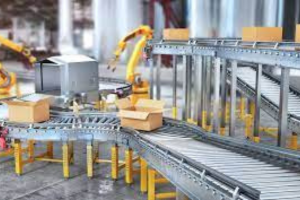
Conveyors act as the lifesaver of manufacturing and production lines, empowering the smooth and proficient development of materials all through the production interaction. They assume a focal part in the mechanization of material handling, streamlining the work process, lessening production time, and limiting the gamble of item harm.
Sorts of Conveyors Utilized in Manufacturing and Production Lines
Belt Conveyors
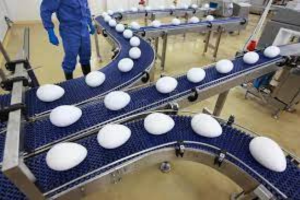
Belt conveyors are one of the most ordinarily utilized transport types in manufacturing. They effectively transport results of different shapes and sizes between various phases of the production line.
Roller Conveyors
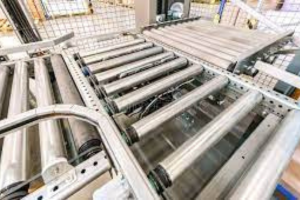
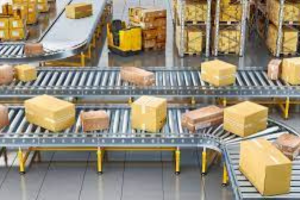
Roller conveyors use a progression of rollers to move merchandise in a decent way. They are great for handling weighty loads and are frequently utilized for container handling, bundle aggregation, and palletizing.
Screw Conveyors
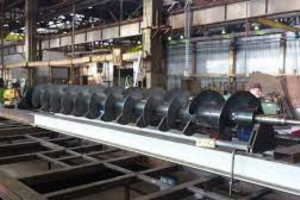
Screw conveyors are appropriate for shipping mass materials and powders inside manufacturing processes. They are generally utilized for blending, mixing, and conveying granules and powders.
Pneumatic Conveyors
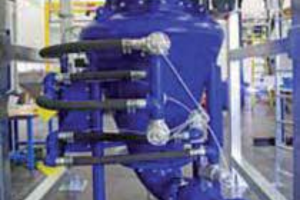
Pneumatic conveyors use gaseous tension to ship materials through an organization of pipelines. They are especially reasonable for handling fine powders and granules, offering without dust transportation.
Advantages of Involving Conveyors in Manufacturing and Production Lines
Increased Effectiveness and Productivity: Conveyors smooth out material handling, diminishing physical work and limiting production bottlenecks, prompting improved proficiency and expanded efficiency.
Improved Item Quality: Mechanized material handling and exact development on conveyors bring about decreased item harm and further developed generally speaking item quality.
Cost Savings: Conveyors add to cost investment funds by advancing work utilization, lessening manual handling, and limiting item squandering.
The Main Pieces of Conveyors in Manufacturing and Production Lines
Conveyor Belt/Roller: The transport line or roller is the center part answerable for the development of materials along the production line.
Drive Unit: The drive unit gives the important ability to move the transport line or rollers, empowering constant material stream.
Utilizations of Conveyors in Manufacturing and Production Lines
Material Handling and Transfer
Conveyors effectively move natural substances from capacity regions to production machines and then, at that point, transport completed items to bundling and circulation focuses.
Assembly Line Operations
Conveyors assume a vital part in sequential construction system tasks, guaranteeing that parts are conveyed to every workstation in a convenient and coordinated way.
Packaging and Distribution
Conveyors are instrumental in robotizing bundling and circulation processes, permitting items to be proficiently pressed and ready for delivery.
Difficulties of Manufacturing and Production Lines without Conveyors
Inefficient Material Handling: Without conveyors, material handling becomes work escalated, prompting more slow production rates and likely mistakes.
Higher Work Requirements: Manual material handling builds the requirement for work, adding to production costs.
All in all, conveyors are fundamental parts of streamlining manufacturing and production lines. Their job in mechanizing material handling, upgrading work processes, and further developing by and large proficiency is priceless for organizations expecting to prevail in the serious landscape of present-day manufacturing. As an essential interest in production processes, conveyors keep on upsetting enterprises, driving headways in manufacturing innovation, and guaranteeing organizations stay at the front of progress and benefit.