
Mining industry
Conveyors for Metal Mining: Iron Ore, Bauxite and Base Metals
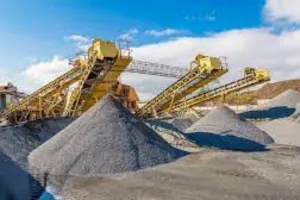
Conveyors for metal mining move dense, heavy and abrasive ores such as iron ore, bauxite, manganese and copper from the crusher to the plant, stockpile and loading point. EKA builds heavy-duty belt conveyors sized for that load.
- Heavy, dense ores
- M-24 abrasion belts
- Crusher to load-out

Why Metal Ores Need Heavy-Duty Conveyors
Metal ores are heavy. Iron ore in particular has a much higher bulk density than coal or limestone, so the same belt carries far more weight per metre. Idlers, pulleys, belt carcass and structure all have to be sized for that load, not just for volume.
Many ores are also sharp and abrasive, and some, such as lateritic bauxite or fine iron ore in the monsoon, become sticky when wet. Transfer chutes, belt cleaning and impact protection need extra attention.
Conveyor Types Used in Metal Mining
From feeding the crusher to loading wagons.
Belt conveyors
The main carrier for crushed ore, overburden and concentrate over short and long distances.
Apron feeders and conveyors
Overlapping steel pans that take heavy, lumpy ore directly from dump hoppers.
Drag chain conveyors
Flights on chains drag heavy, abrasive material along a trough.
Vibrating feeders
Even feeding of ore to crushers and screens.
Screw conveyors
Enclosed handling of fines, dust and concentrate over short distances.
Bucket elevators
Vertical lifting of granular material where an incline will not fit.
How it works
Where Conveyors Work in a Metal Mine
Typical conveyor duties from pit to despatch.
Crusher feed
Apron or vibrating feeders draw ore from the dump hopper into the primary crusher.
Ore transport to the plant
Belt conveyors carry crushed ore to screening, washing or beneficiation.
Overburden handling
In larger open-pit mines, conveyors move soil and waste rock to dumps.
Stockpiling
Product and blending stockpiles keep downstream operations supplied.
Loading and despatch
Conveyors load trucks, wagons or bins for transport to steel plants, refineries or ports.
Benefits of Conveyors for Metal Mining
- Continuous ore flow: a steady supply to the plant and loading points.
- Lower cost per tonne: fewer haul trucks on fixed routes, less fuel and road maintenance.
- Safer operations: less heavy-vehicle traffic and manual handling.
- Less spillage: properly designed transfers and skirting reduce material loss.

Specifying Conveyors for Dense, Abrasive Ores
What changes when you convey metal ores.
| Item | Recommendation |
|---|---|
| Belt | M-24 cover grade with a thicker top cover; carcass ply sized for the higher tension of heavy loads |
| Idlers | Heavier-duty idlers and closer spacing to carry the higher load per metre |
| Loading zone | Impact bed or impact idlers, and a chute that reduces drop height |
| Sticky ore | Lined chutes, effective primary and secondary cleaners, lagged pulleys |
| Incline | Check the angle against the ore's tendency to roll back; use a chevron belt where needed |
| Drive | Motor and gearbox sized for a full-load start, with holdback on inclined conveyors |
Recommended EKA Products for Metal Mines
Complete conveyors and wear components.
Get an accurate quote
What to Send Us for a Quote
Details that let us size the conveyor correctly.
- Ore type, bulk density, maximum lump size and moisture
- Required tonnes per hour
- Conveyor length, lift and route sketch
- Feed point (feeder, crusher, hopper) and discharge point
- Site conditions: open pit, plant building, monsoon exposure
- Full conveyor or replacement belt, rollers and lagging
Talk to a conveyor specialist
Send your requirement, get a clear answer
Share a photo, sketch or a few numbers. We reply within one working day.
- Call+91 93640 87778
- WhatsAppChat with us
- Emailcontact@ekaconveyors.com
FAQs
Frequently Asked Questions
Quick answers about metal mining.
Why does iron ore need a different conveyor design from coal?
Iron ore is much denser than coal, so a belt of the same width carries much more weight per metre. That increases belt tension and idler load, which affects belt ply, idler size and spacing, pulley diameter and drive power.
What is an apron feeder used for?
An apron feeder uses overlapping steel pans to draw heavy, lumpy ore from a dump hopper at a controlled rate. It handles impact and large lumps that would damage a rubber belt at that point.
How do I handle sticky ore in the monsoon?
Use chutes with steep, lined surfaces, effective primary and secondary belt cleaners and lagged pulleys. Covering exposed conveyors also reduces how much water the ore picks up on the way.
Can conveyors be used for overburden?
Yes. Where waste rock and soil follow a fixed route to a dump, a conveyor can replace many truck trips. The material needs to be sized first, usually by a crusher or sizer.
What belt cover thickness should I use for ore?
It depends on lump size, drop height and how often the belt passes the loading point. Sharp, heavy ore usually needs a thicker top cover than coal or sand. Send us your material details and we will recommend the cover thickness.
Do you supply conveyors for loading wagons or trucks?
We supply truck loading conveyors and belt conveyors that feed loading bins. Tell us the vehicle type and loading rate you need.
Next step
Discuss Your Ore Conveyor Requirement
Send us your material, tonnage, conveyor length, lift and site layout. We reply within one working day by phone, WhatsApp (+91 93640 87778) or email.
Real people, real answers. We reply within one working day.