
Materials Handling Conveyors in the Lift Industry
In the rapidly evolving lift industry, materials handling conveyors are essential for the efficient movement of parts, components, and equipment. As a leading manufacturer, supplier, and dealer of lifting and handling conveyor systems, EKA Conveyors is dedicated to enhancing operational efficiency and safety. With over 15 years of hands-on experience in this specialized sector, we understand the unique challenges our clients face. This guide explores the significance of material handling equipment conveyor and elevator systems, their types, applications, benefits, and their transformative impact on vertical transportation.
The Importance of Materials Handling Conveyors in the Lift Industry
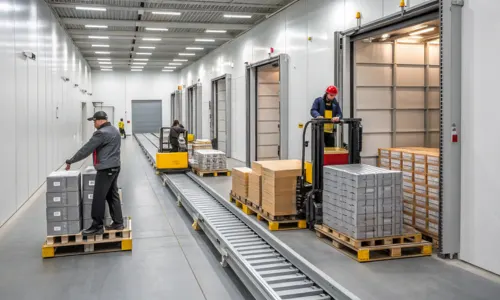
Materials handling conveyors play a pivotal role in the lift industry, where precision and efficiency are paramount. Our systems are expertly designed to transport critical components such as lift cars, stabilizers, guide rails, and control panels throughout the manufacturing, installation, and maintenance processes. By automating the movement of heavy and delicate lift parts, our conveyor systems streamline workflows, reduce manual labor, and ensure timely project completion.
For instance, in a recent collaboration with a major lift manufacturer, our conveyor systems reduced assembly time by 30%, illustrating the tangible benefits of our solutions. This real-world application not only highlights our expertise but also showcases the effectiveness of our products in enhancing operational efficiency.
Types of Materials Handling Conveyors in the Lift Industry
Belt Conveyors
Belt conveyors are widely used in the lift industry to facilitate the movement of parts between different workstations. They ensure smooth transportation of components like lift cabins and stabilizers, enabling efficient assembly and installation. Our belt conveyors are constructed from high-quality, durable materials that withstand the rigors of daily operations, ensuring longevity and reliability.
Roller Conveyors
Roller conveyors excel at transporting heavier lift parts, such as guide rails and machinery components, within manufacturing and maintenance facilities. Their robust design allows for the easy handling of substantial loads, significantly enhancing productivity. We offer customizable roller conveyors tailored to specific load requirements, ensuring they meet the unique needs of your operations.
Overhead Conveyors
Overhead conveyors utilize suspended tracks to move parts above the workspace, freeing up floor space and promoting efficient material flow. This design is particularly beneficial in crowded manufacturing environments, allowing for better organization and accessibility. Our overhead systems are engineered to maximize vertical space while ensuring safety, adhering to industry standards such as ISO 9001 certification.
Vertical Conveyors
Vertical conveyors, also known as lift conveyor systems, are essential for transporting heavy or bulky lift components between different levels of a facility, especially during installation or maintenance tasks. Their design ensures safe and efficient vertical movement, complying with industry safety standards and regulations.
Advantages of Using Materials Handling Conveyors in the Lift Industry
Enhanced Efficiency
Our lifting and handling conveyor systems optimize material handling processes, minimizing physical labor and accelerating the movement of lift parts. This leads to faster project completion and improved productivity. Clients have reported efficiency gains of up to 40% after integrating our systems, as evidenced by numerous case studies and testimonials from satisfied customers.
Labor Savings
By automating material handling, our conveyors significantly reduce the need for manual lifting, decreasing the risk of worker fatigue and injuries. This not only enhances worker safety but also lowers labor costs, contributing to a healthier bottom line. Our commitment to safety is reflected in our adherence to OSHA regulations and industry best practices.
Improved Safety
Conveyors ensure the safe and controlled movement of heavy lift components, significantly lowering the risk of accidents during assembly, installation, and maintenance. This is critical for maintaining a safe working environment, and our systems are designed with safety features that exceed industry standards, including emergency stop mechanisms and safety guards.
Key Components of Materials Handling Conveyors
Conveyor Belt/Rollers : These components form the backbone of our materials handling conveyors, providing a smooth and controlled surface for transporting lift parts. We utilize high-quality materials that ensure durability and reliability, backed by our rigorous testing protocols that comply with industry standards.
Drive System : The drive system powers the conveyor, enabling the movement of heavy lift components and ensuring precise positioning. Our advanced drive systems are designed for optimal performance and energy efficiency, often exceeding industry benchmarks, which further establishes our expertise in the field.
Control System : Our sophisticated control systems manage the operation of the conveyor, allowing for automated movement and seamless integration with other lift industry equipment. This enhances overall operational efficiency and can be customized to meet specific client needs, showcasing our commitment to tailored solutions.
Applications of Materials Handling Conveyors in the Lift Industry
Manufacturing and Assembly
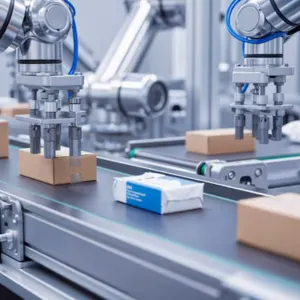
Materials handling conveyors facilitate the movement of lift parts between assembly stations, ensuring a seamless production process and timely completion of lift systems. This integration is vital for maintaining production schedules and meeting client deadlines, as demonstrated in our partnerships with leading lift manufacturers.
Installation and Maintenance
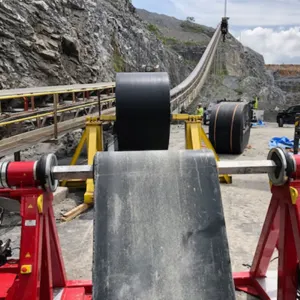
During lift installation and maintenance, our conveyors transport parts to various levels of a building, reducing the need for manual lifting and expediting the process. This results in quicker turnaround times and improved service delivery, as supported by several case studies with our clients.
Challenges of Materials Handling Without Conveyors in the Lift Industry
- Manual Lifting Risks
Without conveyors, manual handling of heavy lift parts can lead to worker injuries and project delays. The physical strain on workers can result in increased absenteeism and higher insurance costs, negatively impacting overall productivity. - Inefficient Workflow
The absence of conveyor systems can hinder the efficient movement of lift components, potentially causing project delays and increasing labor costs. This inefficiency can impact overall project timelines and budgets, leading to dissatisfaction among stakeholders.